
.JPG)
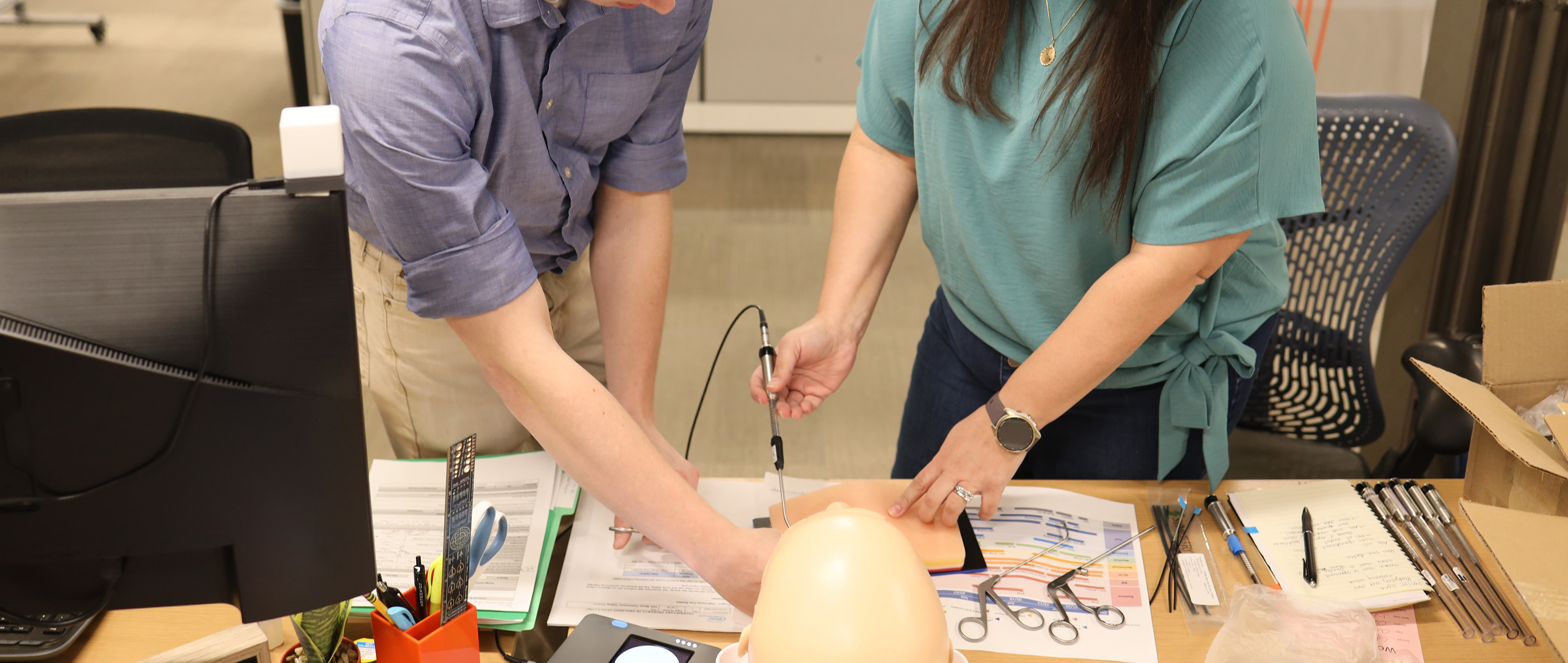
Clients get more than survey results. Engenious conducts field observation and contextual inquiry where the work happens, because what a clinician says in a conference room and what they do in the operating room are rarely the same. We watch the workarounds, the friction, and the steps users no longer notice, and we surface the needs they cannot articulate on their own. These insights often only come from direct observation, and these insights lead to real innovation that matters in the market. Direct observation is one of our strongest tools for uncovering unmet needs. Including unmet needs that clinicians may not be able to voice, but needs they feel as pain points every day. The team leading the contextual inquiry are the same designers that are working on shaping the solution. This means insight turns to action quickly.
VOC often moves at the speed of recruiting. Through our Clinical Insights program, Engenious keeps a panel of practicing healthcare professionals on call, so we can convene focus groups, run interviews, and test concepts with the right specialists without waiting weeks to find them. The same clinicians act as design partners, reacting to concepts and prototypes well before launch.
VOC only pays off when it changes the product. Engenious connects what we hear to an unmet-needs analysis, plus an independent read of competitor products, and a documented set of user needs and product requirements. That bridge from customer insight to a buildable product definition is where most VOC work stops short, and where ours is built to give our clients a competitive edge.
Because our researchers sit with the engineers and designers who will build the device, VOC findings do not get lost in translation. The team that heard the need is the team that designs the answer. Clients get a partner that creates winning devices, not just reports.
A connected breathalyzer built for accountability and recovery support has to serve all stakeholders, not just the person blowing into it. Engenious ran rigorous voice-of-customer (VOC) research to define requirements, and the findings changed the product. What started as an entry-price, iterative device became a premium, connected product with a robust cloud application, and it reached production in record time. Here is how the research drove that shift.
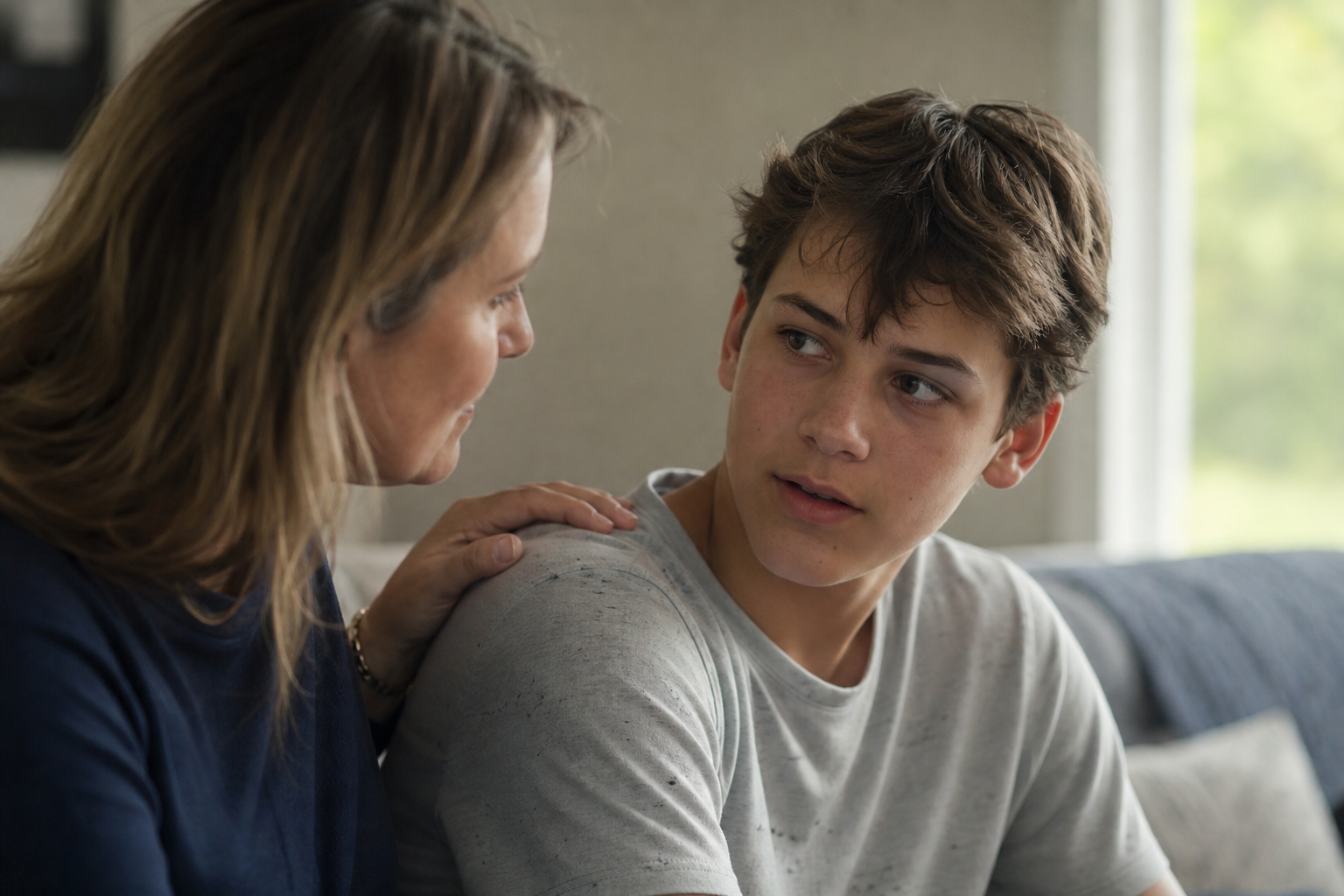
We went into the field to meet users on a path to recovery, many of whom had struggled with prior programs and devices. We met with families and caregivers to understand how accountability shaped their situations. Our designers and engineers used prototypes and contextual methods to put concepts in front of users early. After hundreds of hours of interviews and synthesis, we had a clear understanding of what would drive meaningful change in users' lives, and it differed sharply from the original project brief and product roadmap.
Some of our most important learning came from the client's own team. We separated the business needs from assumptions, aligned them with the VOC results, and built a product definition that moved into production in record time.

Unmet needs surfaced by families that fundamentally changed the product definition including remote monitoring and family check-in.
A redefined specification: from an entry-price, iterative device to a premium product with a connected architecture and a robust cloud-based application.
A best-in-class product that combines high accuracy with a discreet, intuitive package.
.jpg)

