.JPG)
This Kaiser Health News article outlines a case where a nurse is facing prison for a deadly medical error. But there is more to the story for the nuanced reader in medical device R&D.

I don’t know the details of the case, but I can’t help but see major human factors and institutional process issues potentially as a root cause alongside admitted human error. Headlines grab attention with “bypassed at least five warnings”, but a more nuanced read shows that design and hospital EMR integration issues are likely a much bigger contributor that made bypassing warnings a regular REQUIREMENT of doing the important job of nursing at this institution. We are all sorry that a real person lost her life as a result of this combination of issues. But I’m of the opinion that the institution and medical device manufacturer are in the best position to address the root causes that made a “human error” much more likely.
We wouldn’t blame a pilot for the error of pressing an ejection seat button if that button looked exactly like the radio talk button and was positioned next to the talk button. But from what I read, Ms. Vaught’s situation isn’t much different.
As a designer of critical care medical devices, I know all too well that our first attempt at a user interface is never as intuitive as we intend. But this is where human factors testing is so important. In fact, I sat in a formative human factors study [1] that our team conducted with clinicians in our facility yesterday. We learned a lot, made some fairly minor changes that improve the intuitiveness of our design. Which is exactly how the usability engineering/human factors process is supposed to work. [2]
I take this Vanderbilt University Medical Center tragedy as a case study and another reason for us in the medical device community to embrace human factors and usability engineering practices as the valuable tools they can be. We always learn something important whenever we interact with clinicians, and our team does so wherever we can. Because engineers are not clinicians and we are not the end-users of the devices we create. This is one of the reasons we created our Clinician Insights group at Engenious Design – so we can tread clinical knowledge into the design process. Others are doing good work to integrate clinical voices in medical device design, and I encourage our industry to become better at sharing best practices – for the benefit of our end-users and patients.
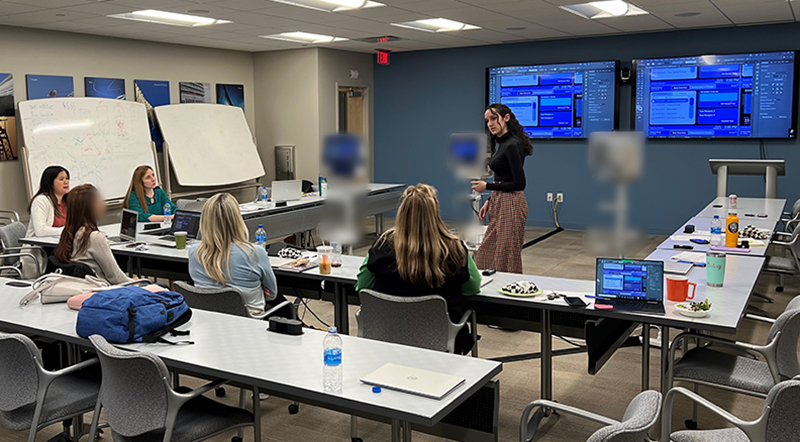
Engenious Design’s Clinical Insights Program incorporates regular and meaningful feedback from healthcare professionals into the design of the tools and equipment clinicians use daily. Our team includes highly-specialized healthcare professionals who collaborate with our design team through focus groups, surveys, phone conversations, in-person concept or prototype evaluations and interviews.
[1] FDA Guidance on Human Factors in medical devices: https://www.fda.gov/media/80481/download
[2] ISO:62366 https://www.iso.org/standard/63179.html